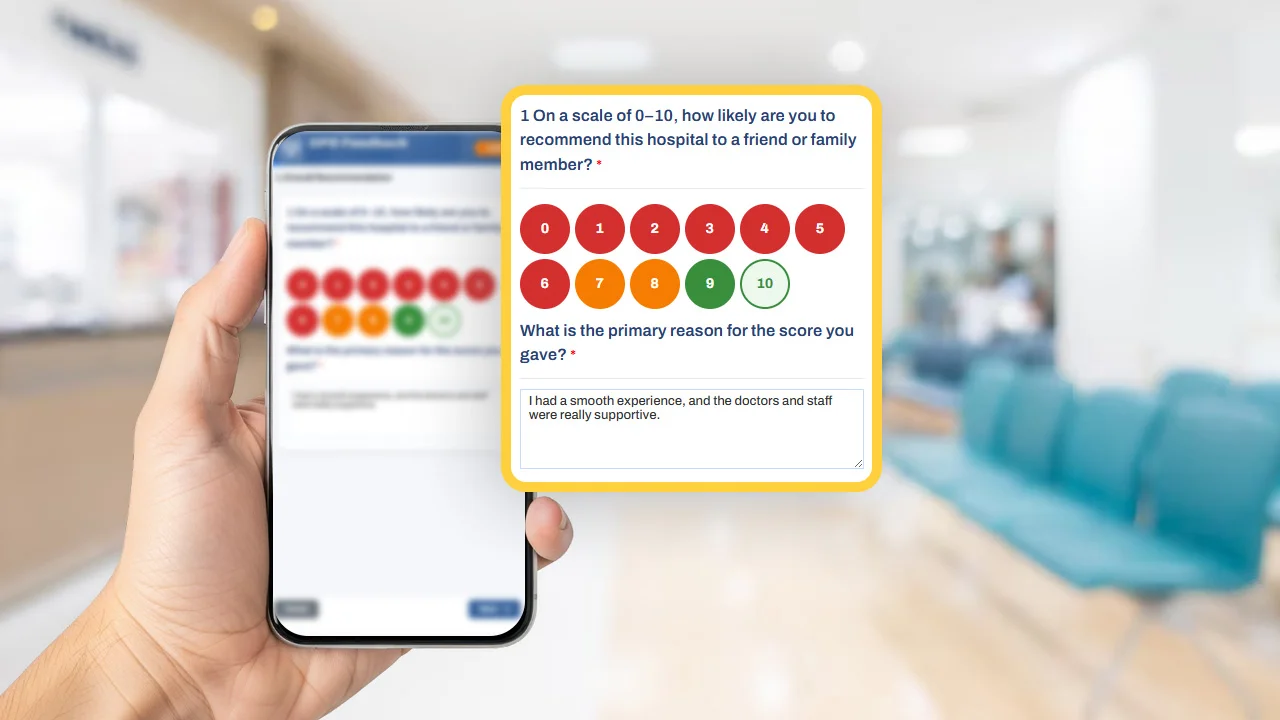
How Hospitals Can Track Healthcare-Associated Infections in Real Time
Published :18 Nov 2026, 11:30 am

Hospitals are accountable for the safety of every patient in their care, and healthcare-associated infections (HAIs) are a direct measure of that responsibility. Infection in hospitals not only increases the complexity of treatment but can also increase the time period during which the patient remains in the hospital.
It is not sufficient to only document HAI occurrences; rather, the Infection Prevention and Control teams need to determine the origin of the risks, determine what procedures or devices have caused this infection, whether the procedures have been adhered to or not, and how they should address this situation. As information remains scattered in various registers and spreadsheets, it is difficult to create a comprehensive picture. Hospital infection control software helps to collect the information, although late documentation and irregular auditing can make it difficult for clinicians and hospital management to understand the situation.
Key Takeaways
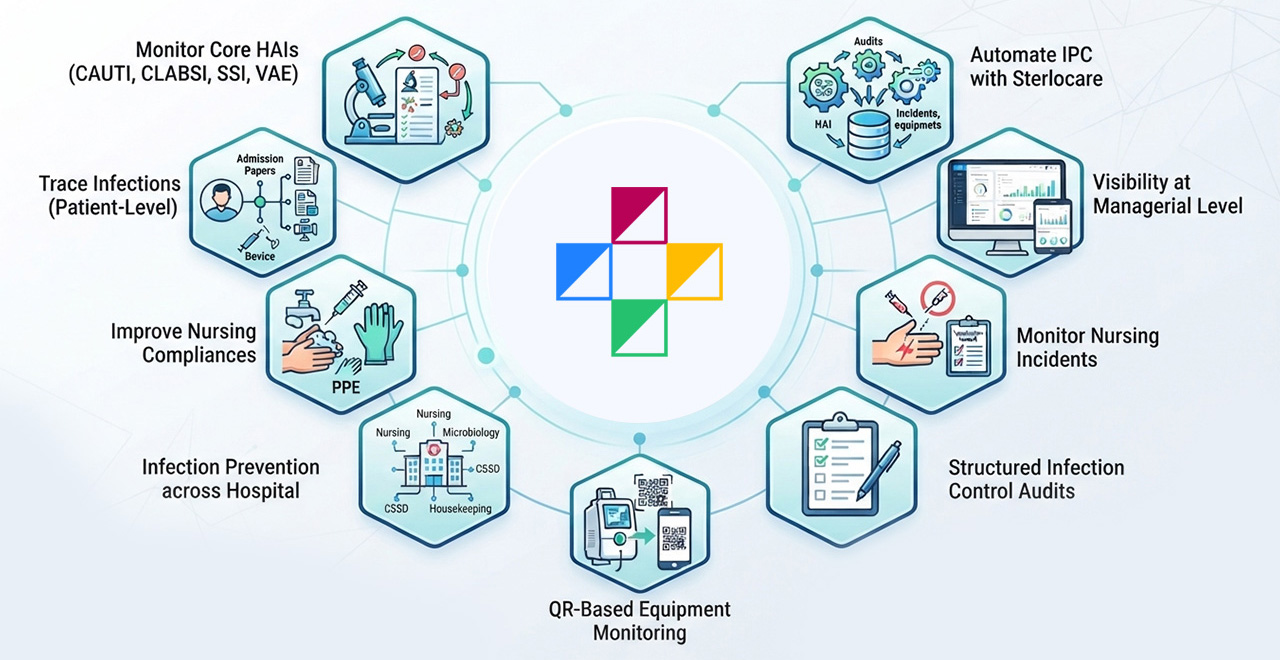
- Monitor Four Core HAIs : Track CAUTI, CLABSI, SSI and VAE using a structured surveillance system and standardized infection indicators.
- Trace Infections at the Patient Level : Link admissions, clinical documentation, device use and laboratory results to aid investigations of infections.
- Improve Nursing Compliances : Audit hand hygiene, safe injection practices, safe infusion practices, personal protective equipment and device maintenance.
- Infection Prevention across the Hospital : Broaden IPC monitoring to include departments of Nursing, Microbiology, CSSD, Housekeeping, Laundry, Biomedical Engineering and other support departments.
- QR-Based Equipment Monitoring : Automate equipment cleaning, inspection and maintenance documentation for improved accountability.
- Structured Infection Control Audits : Standardize department-wise checklists, audit scheduling, accountability and remediation steps.
- Monitor Nursing Incidents : Record needle-stick injuries, accidental inoculation injuries, consents for HIV testing and vaccinations.
- Visibility at the Managerial Level: Utilize centralized dashboards to track infections, departmental compliance, incidents and status of corrective actions.
- Automate IPC with Sterlocare: HAI surveillance, nursing audit, department-wise checklists, equipment monitoring and infection prevention process management onto one centralized platform.
Understanding Healthcare-Associated Infections (HAIs) in Hospitals
Risk factors, surveillance criteria and monitoring requirements are specific for each HAI type and, therefore, hospitals require structured surveillance for each HAI category they monitor.
The Four Critical Infection Categories
Four HAI categories must be paid particular attention:
- CAUTI (Catheter-Associated Urinary Tract Infection) : Infections associated with catheterization. CAUTI surveillance involves catheter usage and compliance with catheter insertion and maintenance procedures.
- CLABSI (Central Line-Associated Bloodstream Infection) : Bbloodstream infections associated with central venous catheterization. CLABSI surveillance involves proper catheter insertion, line maintenance and catheter usage.
- SSI (Surgical Site Infection) : Infections associated with surgery. SSI surveillance involves postoperative follow-ups.
- VAE (Ventilator-Associated Events) : Qualifying events associated with mechanical ventilation. VAE surveillance involves analysis of related clinical and preventive practices.
Each of the above-mentioned indicators needs to be monitored based on established definitions and proper denominators. For instance, infection rates for device-associated infections need to be determined through the denominator of device-days, rather than just reporting the number of infections. Hospital management needs to monitor infection trends, evaluate areas requiring investigation and evaluate the effectiveness of infection prevention practices.
Patient traceability: When was the infection acquired?
The infection control team requires the patient's clinical history from admission to treatment:
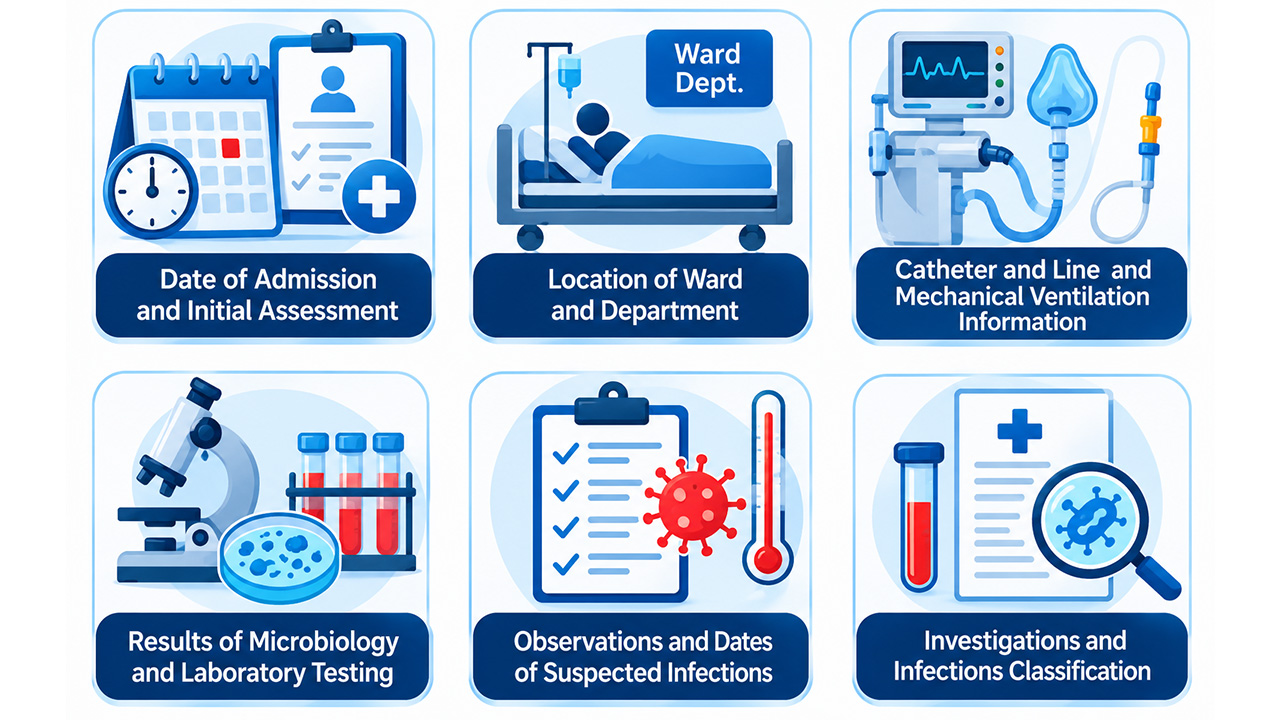
The presence of infections at the time of admission must be distinguished from those which occur in the hospital environment. Positive cultures following admission do not necessarily mean that the infection is hospital-acquired; established surveillance criteria will be applied.
Common Sources of Infection Within Healthcare Facilities
The control of infections is a duty that involves all the hospitals. Looking only at the IPC department or the patient wards does not give a complete view of infection prevention practice. Infections may be caused by equipment and activities used in patient care like catheters, central lines, ventilators, surgeries, among others, and the environment too.
Several departments contribute directly to the hospital's infection prevention programmed:
| Department | Key monitoring areas |
|---|---|
| Nursing | Hand hygiene audits in wards; safe injection and infusion practices; PPE use; patient-care practices; device maintenance; vaccination records; HIV testing consent documentation; needle-stick and accidental inoculation injury reporting |
| Microbiology | Specimen handling, laboratory processes and infection-related reporting |
| CSSD | Sterilization processes and instrument handling |
| Housekeeping | Environmental cleaning and disinfection |
| Laundry | Linen handling and hygiene practices |
| Biomedical Engineering | Equipment cleaning, maintenance and inspection |
| Clinical Pharmacy | Antibiotic-related processes and medication safety |
| Ambulance Services | Patient transport hygiene and equipment cleanliness |
| Mortuary | Infection prevention and handling procedures |
Medical equipment and patient-care devices also need proper cleaning, disinfection and maintenance. When these records are kept manually, confirming that each activity was actually completed becomes difficult.
Equipment-Level Compliance: Closing an Important Monitoring Gap
Medical equipment and patient-care equipment need to be cleaned, disinfected, and maintained properly. But when paper-based documentation is used, then it becomes hard to ascertain whether these activities have been performed. The hospitals can enhance the compliance at equipment level by giving each piece of equipment a unique QR Code. By scanning the code, you will be able to access the respective inspection, cleaning or maintenance checklist and perform all activities in relation to that equipment. This will enable the biomedical and infection control team to check compliance regarding equipment, pending activities, and repeated deficiencies. This concept can be used at ward-wise and department-wise level as per hospital policy. It is pertinent to mention that completion of equipment checklist is a compliance measure and it must be used in conjunction with clinical surveillance and infection investigation.
Why Infection Prevention and Control Matter in Hospitals: The Role of Infection Control Audits
In the NABH 6th Edition Hospital Accreditation Standards, IPC is part of clinical and nonclinical departments. The IPC standards require a program and surveillance system that will be helpful in identifying infection risk factors and trends, verification of the collected data regularly, monitoring of hand hygiene compliance, and corrective measures.
Audit governance: are guidelines being followed?
It is very easy to write IPC manuals, SOPs, and audit guidelines but the difficulty lies in the implementation of these SOPs in all departments equally. This audit program will help determine whether the practices are being followed or not and what needs correction.

An ideal audit program should consider the following factors:
- Relevant checklist for every department
- Frequency and period of the audit
- Auditor and department representative
- Compliance requirements and documentation
- Deviation from the guidelines
- Corrective and preventive action plan
- Process for follow up and closure of gap
The frequency can differ for every department. Hand hygiene compliance may be observed after a certain interval while auditing of housekeeping and equipment can be done at different frequencies. Audit is not complete just by the completion of the checklist. Deviation from the guidelines needs to be assessed, allocated to the particular team and corrective measures should be taken. This is the point where the IPC department comes into picture.
Challenges Hospitals Face in Monitoring Healthcare-Associated Infections
Even hospitals with strong IPC manuals run into practical barriers when monitoring HAIs:
- Disparate records : infection information is stored in disparate registers and spreadsheets making consolidation difficult.
- Late recording : late recordings limit the ability of infection control personnel and management to access information.
- Disparate audit methods : although procedures exist, they may not be uniformly applied or audited within different departments.
- Manual record keeping for equipment : it is difficult to ensure that equipment has been cleaned and maintained.
- Diverse systems : managing patient surveillance, departmental audits, equipment record keeping and infections incidents in diverse systems requires more work for IPC teams.
- Interpretation of results : positive culture after admission does not automatically mean that an infection has occurred within the hospital.
How Real-Time Monitoring with Infection Prevention Software Improves Patient Safety
More than just HAI counts: What else do leaders have to look out for?
For CXOs, Medical Directors, and Quality Heads, just tracking infection counts on a monthly basis is not sufficient. Leaders must ask themselves while reviewing infection prevention software whether it offers clinical indicators, department compliance, and follow-up. Indicators such as:
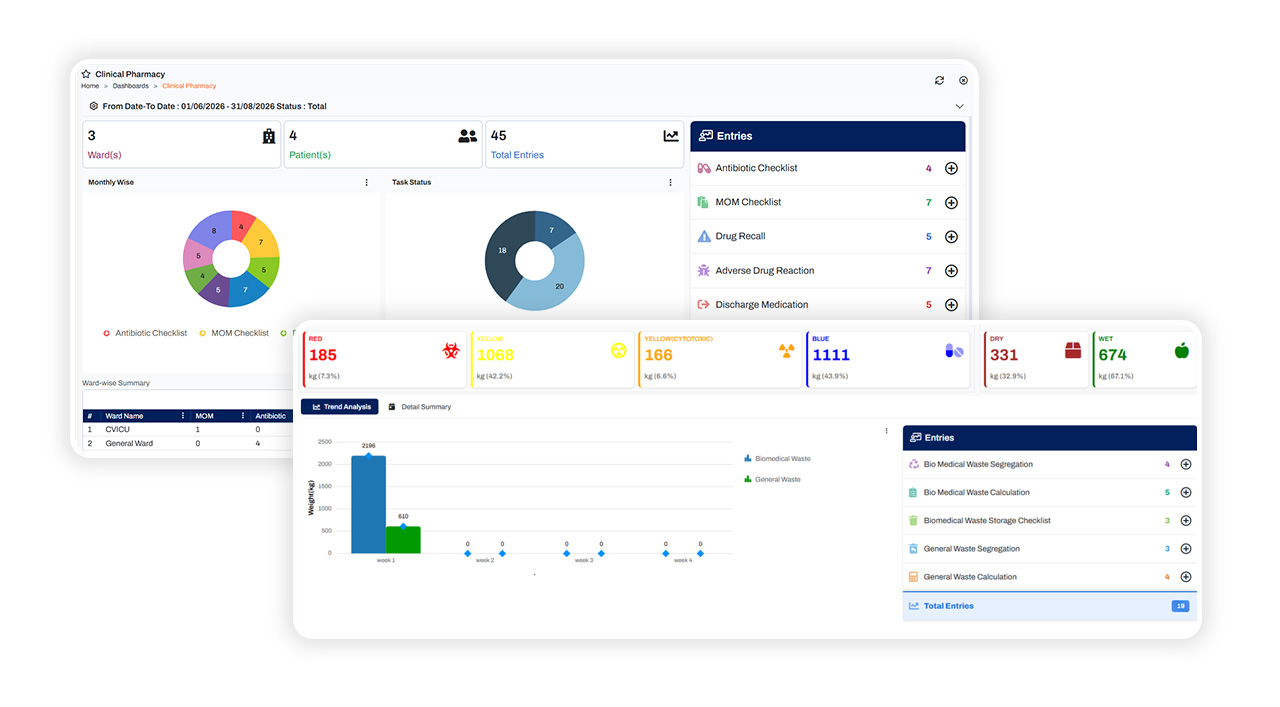
- Clinical Surveillance : Cases and rates of CAUTI, CLABSI, SSI, and VAE; Utilization and trends associated with the use of devices; Patient-level Surveillance Reports
- Operational Compliance : Department wise audits completed; Hand hygiene and PPE compliance reports; Equipment inspection and decontamination logs; Checklist activities pending
- Incident Monitoring : Needle-stick Injuries; Accidental Inoculation Injuries; Infection control incidents reported; Status of corrective actions taken
- Clinical and Medication Safety : Safe Injection & Infusion Practices; Antibiotic checklists; Adverse Drug Reactions; Medication Errors; Clinical Interventions along with related reports
A comprehensive dashboard enables leaders to identify repeated gaps, compliance trends, and departments in need of improvement.
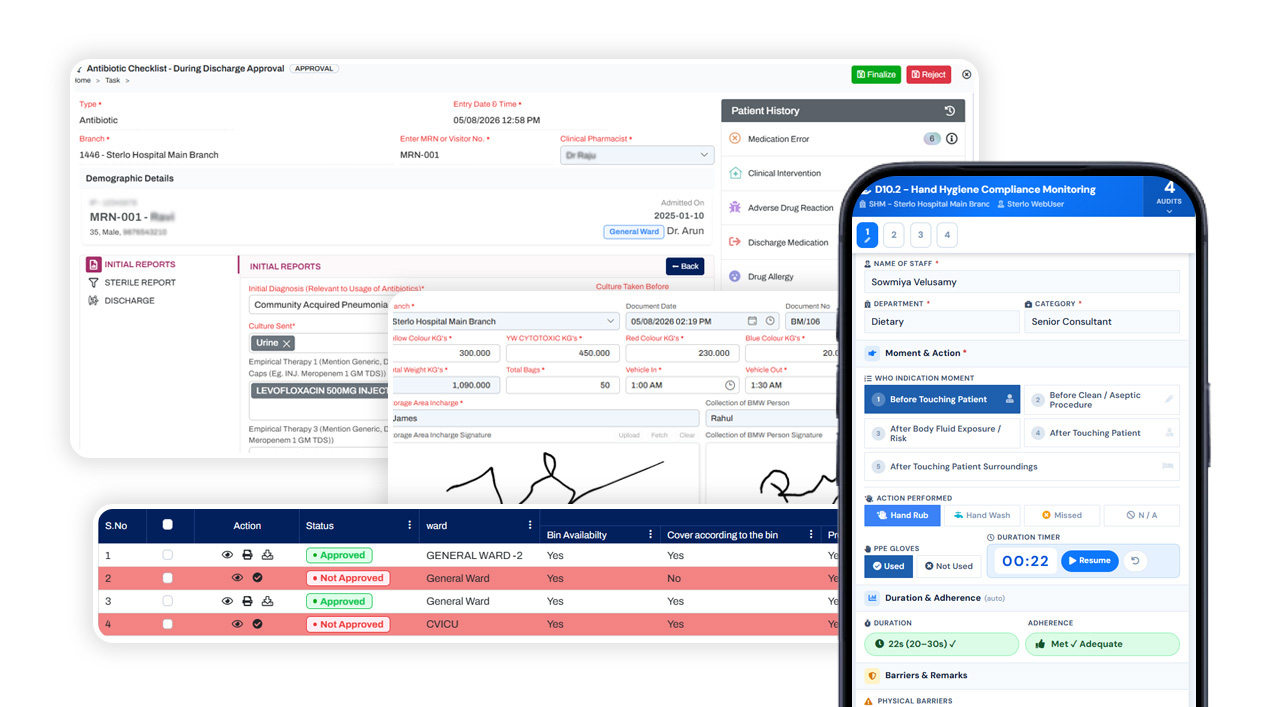
The Role of Infection Control Software in HAI Surveillance
Digitising IPC with Sterlocare
When patient surveillance, departmental audits, equipment records and infection-related incidents sit in disconnected systems, IPC teams carry extra administrative work. Sterlocare helps hospitals bring these activities into one centralised digital environment. Sterlocare is infection control software designed to support the digitisation of IPC manuals, customised department-wise checklists, scheduled audit workflows and equipment-level monitoring through QR codes. Its capabilities include dedicated CAUTI, CLABSI, SSI and VAE care bundles, along with monitoring of hand hygiene and PPE audits, needle-stick injuries, accidental inoculation injuries and other clinical and operational records.
For nursing teams, the Nursing Staff Audit dashboard supports recording and review of needle-stick injuries, accidental inoculation injuries, hand hygiene audits for wards and laboratories, consent for HIV testing, and vaccination card records. Hospitals can also set up checklist-based monitoring for safe injection and infusion practices in line with their approved nursing protocols.
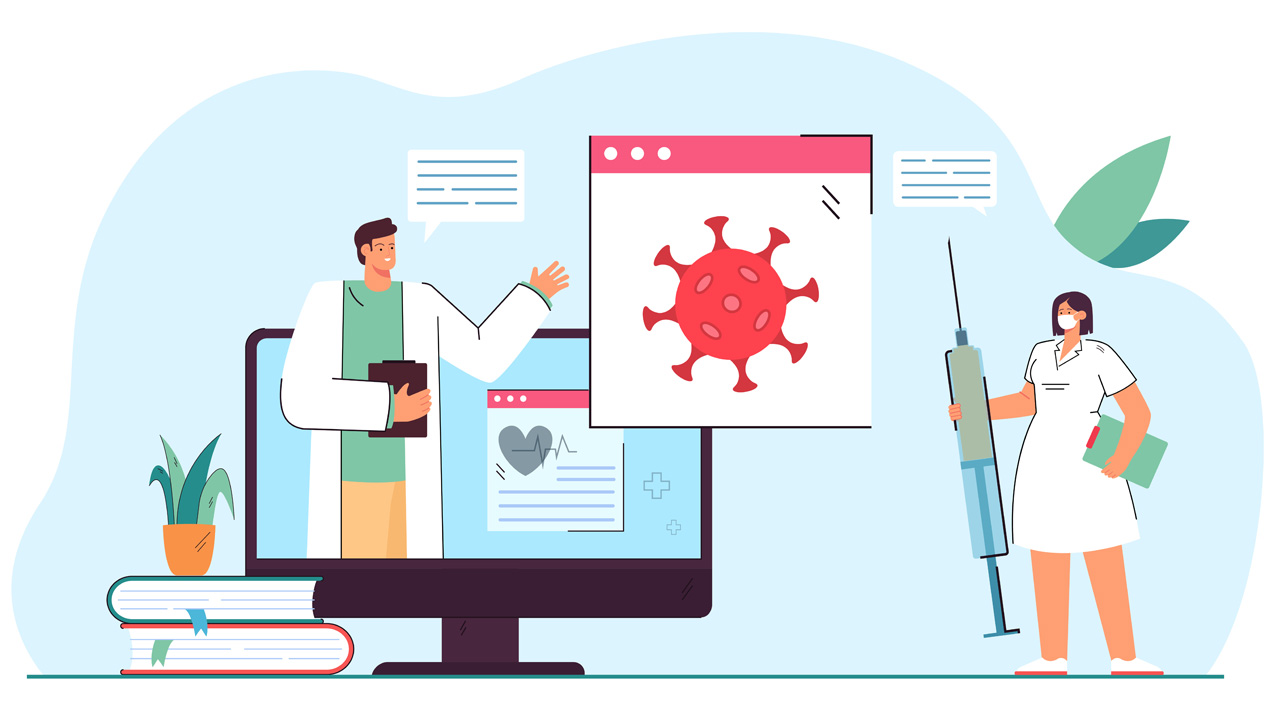
Workflows can be configured to a hospital's existing IPC protocols, department requirements and audit schedules. Centralised dashboards then give IPC teams a consolidated view of HAI surveillance records, department-wise audit compliance, equipment checklist status and reported incidents, which helps them monitor activities and identify gaps. Bringing patient surveillance, audits, equipment records and incident reports together in this way, Sterlocare supports more organised infection surveillance, stronger departmental accountability and better oversight of infection prevention activities. Well-implemented hospital infection control software also makes surveillance records more accessible, standardises audit workflows and improves management visibility. Its value lies in helping teams review information and act on identified gaps, not simply in collecting more data.
Conclusion
Effective HAI surveillance depends on the quality of clinical documentation, the consistency of infection control audits and coordination between departments. Hospitals need to look beyond infection counts and build visibility across the whole infection prevention programme, from patient-level surveillance and device monitoring to environmental audits and corrective action. Digital tools can make surveillance records more accessible, standardise audit workflows and improve management visibility. Their value lies in helping teams review information and act on gaps, not in collecting more data. For hospitals looking to strengthen their IPC operations, Sterlocare provides a structured way to digitise infection surveillance and monitor infection prevention activities across the organization.